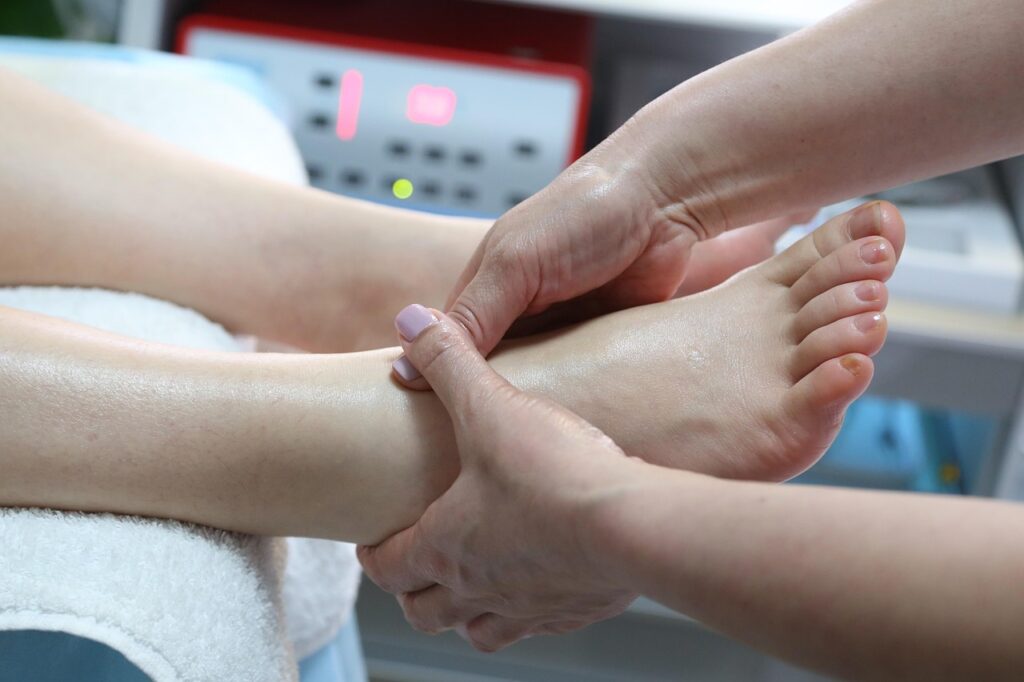
One of the distinctive features of Shiatsu is its combination of pressure, stretching, and gentle movement. The pressure may feel firm in some areas, especially where muscles are tense. However, a good Shiatsu session should not be unnecessarily painful. Communication with your practitioner is important, particularly if you are sensitive to pressure. Many people describe the experience as deeply relaxing. After a session, you may feel lighter, calmer, and more aware of areas of tension in your body.
People seek acupuncture for a variety of reasons. It is particularly well known for its use in managing certain types of pain. Depending on the individual and their health needs, acupuncture may be considered as part of a broader approach to conditions such as: Neck and shoulder discomfort, Lower back pain, Headaches and migraines, Muscle tension, Osteoarthritis-related pain, Stress and relaxation, and General wellness and self-care. It is important to remember that acupuncture does not work the same way for everyone. The potential benefits can vary depending on the individual, the condition being treated, and other factors.
Shiatsu is a traditional Japanese bodywork technique. The word “Shiatsu” means “finger pressure” in Japanese. During a Shiatsu session, the practitioner uses their fingers, thumbs, palms, and sometimes elbows or knees to apply pressure to specific areas of the body. Unlike some massage techniques that primarily use oil and long, flowing strokes, Shiatsu is usually performed through comfortable clothing on a mat or massage table. Shiatsu is influenced by traditional East Asian approaches to health and is often associated with the concept of supporting the body’s natural balance.
Traditional Chinese medicine views the body as having pathways through which qi (often translated as “vital energy”) flows. Acupuncture is traditionally understood as a way to help promote balance within these pathways. From a modern medical perspective, research suggests that acupuncture may influence the nervous system and other physiological processes. The exact mechanisms are still being studied, but acupuncture is commonly used as a complementary approach to conventional healthcare.
In today’s busy world, finding time to relax and take care of your body can be challenging. Stress, long hours at work, and everyday responsibilities can leave us feeling physically and mentally exhausted. One traditional Japanese approach to relaxation and body care is Shiatsu massage. Known for its gentle yet firm pressure, Shiatsu offers a unique way to release tension and promote a sense of balance and relaxation.
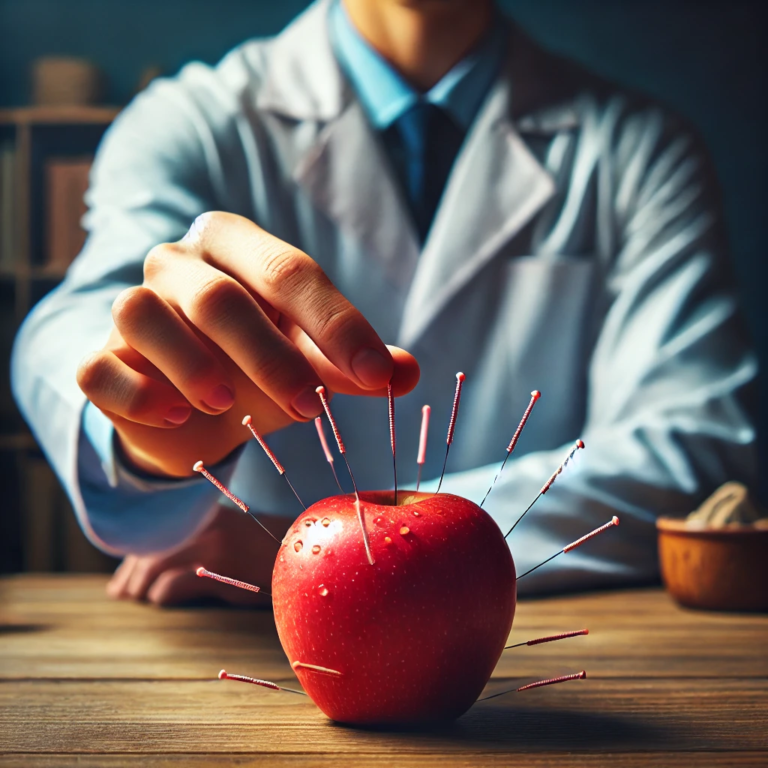
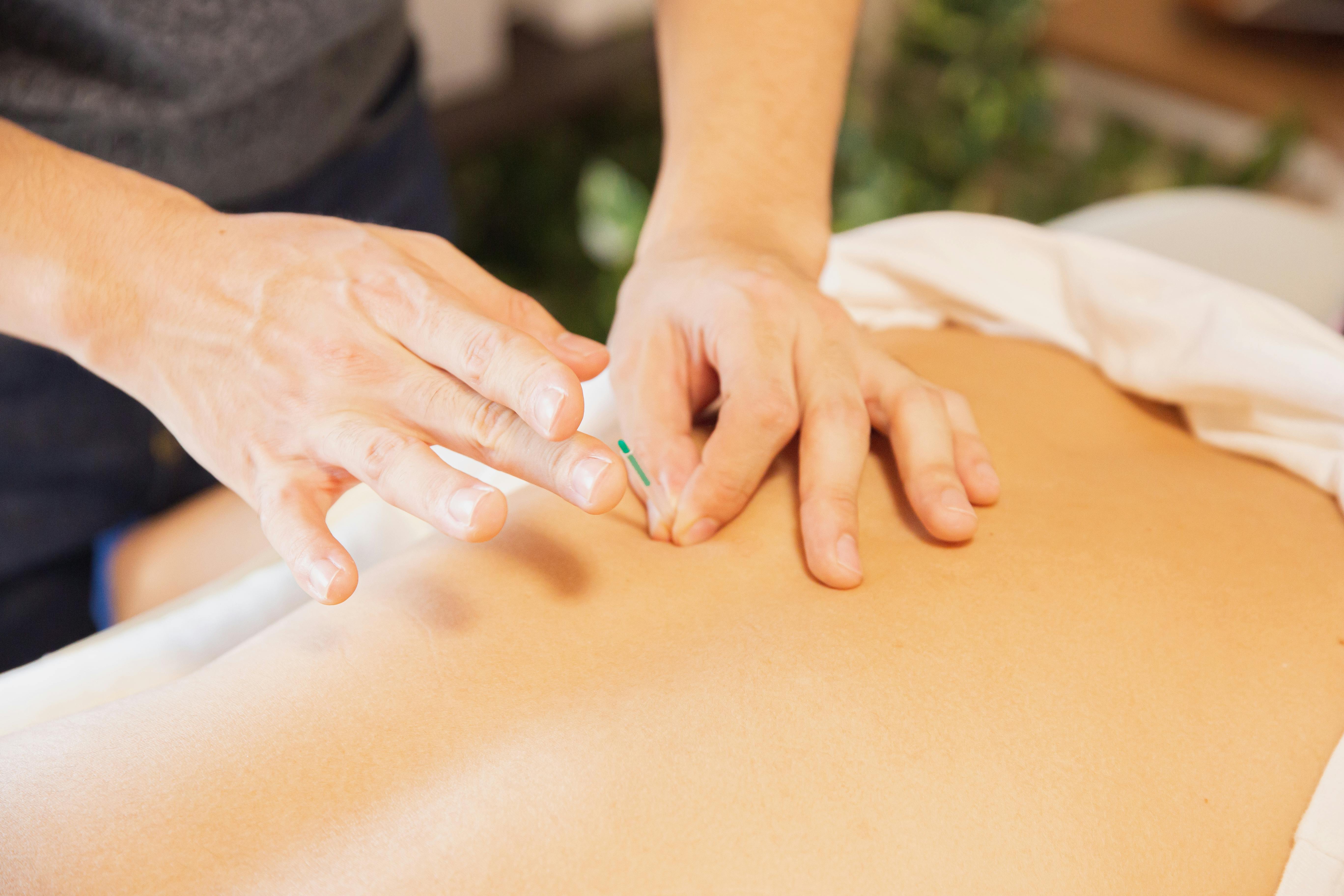
In today’s busy world, many people are looking for natural and holistic ways to support their health and well-being. One approach that has gained popularity around the world is acupuncture, a traditional therapy that has been practiced for thousands of years. But what exactly is acupuncture, and how might it support your health? Let’s take a closer look. Acupuncture is a traditional therapy that originated in China and has been practiced for centuries. It involves the careful insertion of very thin, sterile needles into specific points on the body.
Shiatsu isn’t magic. It’s something even better. It’s a natural, hands-on approach that reminds your body how to relax, recover, and function more comfortably. So if your shoulders are currently auditioning for the role of concrete blocks, or your neck feels like it belongs to a rusty robot, it may be time to give Shiatsu a try. Your body has been trying to get your attention for a while. Shiatsu simply helps you listen.
Whether you’re seeking relief from muscle tension, headaches, stress, or simply looking to improve your overall well-being, acupuncture encourages your body to do what it was designed to do: heal, adapt, and find balance. Sometimes, the greatest medicine isn’t forcing the body to work harder—it’s giving it the opportunity to work smarter.
But many clients keep coming back for a simpler reason:
They feel human again.
In a world filled with screens, notifications, deadlines, and endless scrolling, spending an hour focused on your body’s well-being feels surprisingly revolutionary.
Many first-time patients are surprised by how relaxing a treatment can be. The needles are incredibly thin, and it’s common to feel so calm that you drift into a peaceful nap. It’s often called an “acupuncture nap”—and for many people, it’s one of the best naps they’ve had in years.