Many first-time clients expect Shiatsu to be painful. Then something interesting happens. A therapist finds a tight spot you didn’t even know existed. “Wow,” you think. “How did they find that?” Five minutes later, you realize your shoulders have dropped two inches and you’re breathing more deeply than you have all week. By the end of the session, some people feel so relaxed that they briefly forget where they parked their car. This is completely normal. Probably.
Think of your body like an orchestra. When every instrument is in tune, the music flows beautifully. But if one section falls out of rhythm, the entire performance changes. Acupuncture works like a skilled conductor, helping restore balance rather than overpowering the music.
The funny thing about our bodies is that they constantly communicate with us. A stiff neck? That’s an email. Lower back pain? Another email. Headaches after staring at a computer for eight hours? That’s your body sending an urgent message marked high priority Unfortunately, most of us respond by taking pain relievers, drinking another coffee, and hoping the problem disappears. Shiatsu encourages us to actually read those messages.
Why Acupuncture isn’t about magic? Have you ever noticed that your body whispers before it screams? A stiff neck after stressful meetings. Trouble sleeping before an important event. A stomach that feels “off” when life gets overwhelming. These aren’t random problems—they’re your body’s way of asking for attention. Acupuncture is unique because it doesn’t simply ask, “Where does it hurt?” It also asks, “Why is your body sending this message?”
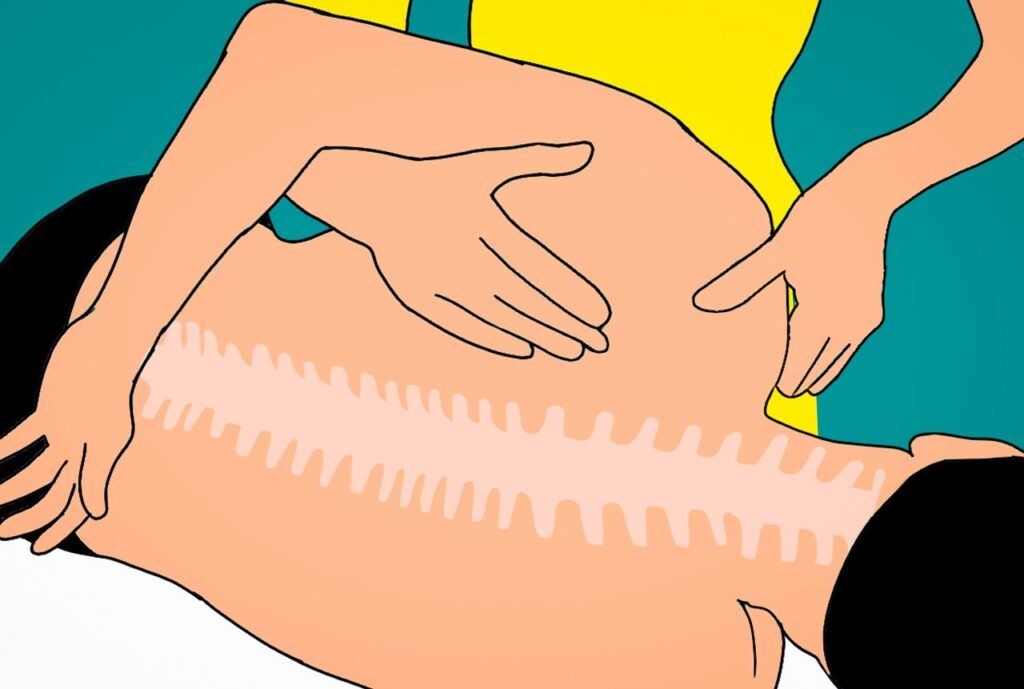
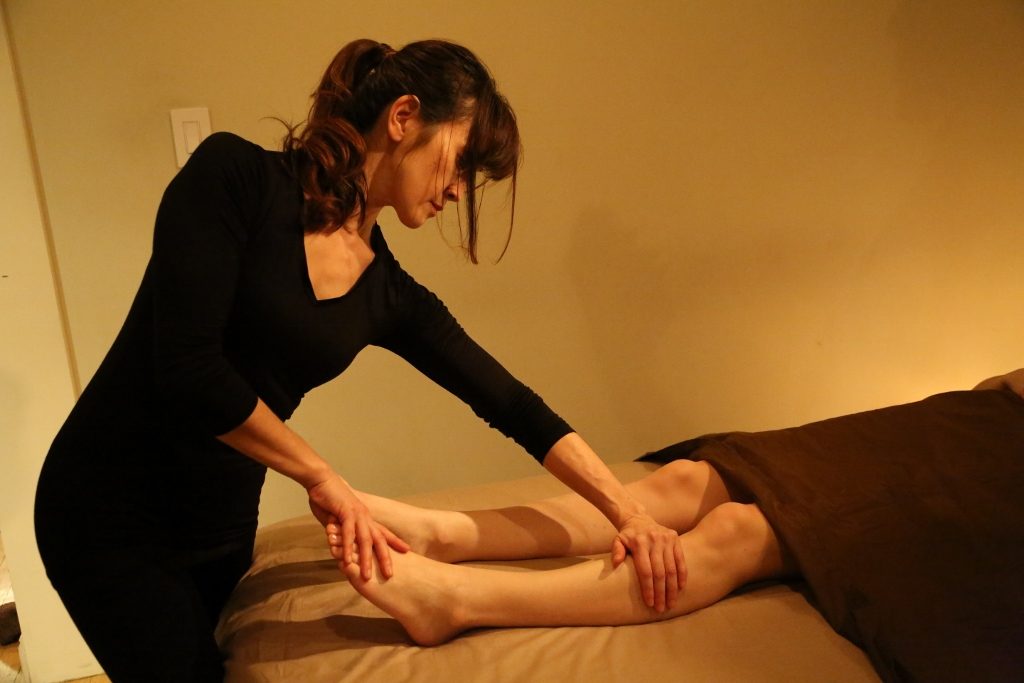
“Shiatsu” literally means “finger pressure” in Japanese. Now, before you imagine someone randomly poking you like they’re trying to find a hidden button, Shiatsu is actually a sophisticated therapeutic technique developed in Japan. Practitioners use their fingers, palms, elbows, and sometimes even knees to apply pressure to specific points on the body. Think of it as a conversation between the therapist and your muscles.
After a session, people often say things like: “I feel lighter”, “My shoulders finally relaxed”, “My pain is gone”, “I slept like a baby”. Which is amazing… considering all that happened was a little strategic poking. Acupuncture may be thousands of years old, but in today’s stressed-out, screen-obsessed world, it might be more useful than ever. So if your body feels like a tangled mess of stress, tension, and bad posture, maybe it’s time to try a different solution. Sometimes the best way to fix the problem is a few well-placed needles.
Have you ever wished your body came with a reset button? You know the feeling. Your neck is tighter than a jar lid that refuses to open. Your shoulders are carrying the weight of your job, your family, and probably three months of unanswered emails. Your back makes mysterious sounds every time you stand up. Good news: while humans don’t come with a reset button, Japan came pretty close. It’s called Shiatsu Massage.
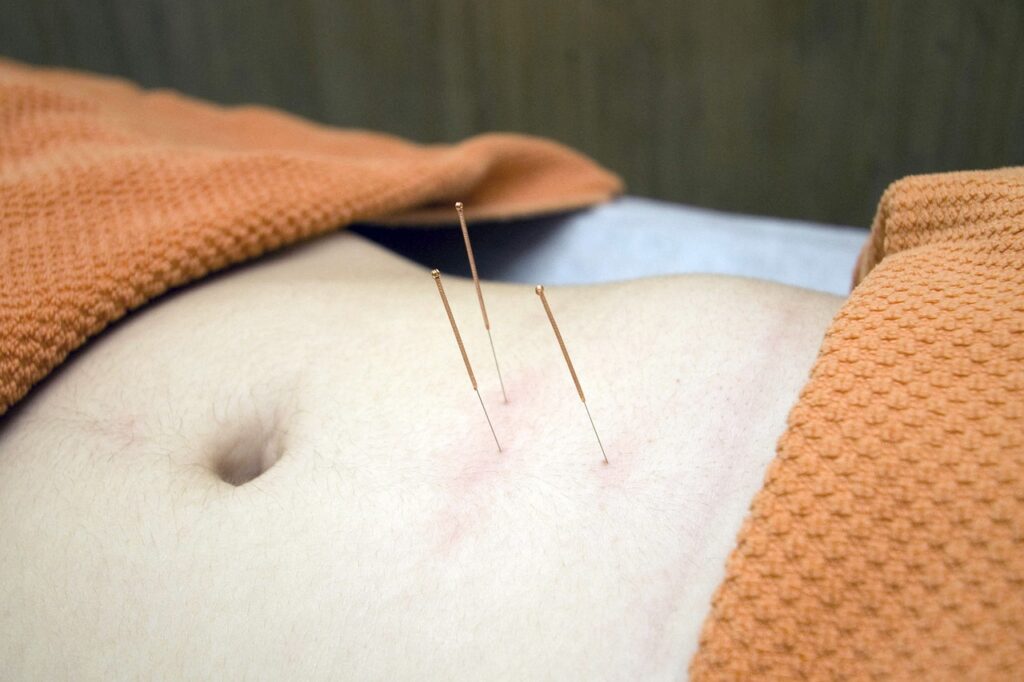
Here’s the weirdest part: once the needles are in, many people fall asleep. Yes, *sleep*. You walk in stressed, your shoulders feel like concrete, your brain is full of emails and deadlines… and twenty minutes later you’re drooling peacefully on the pillow like a relaxed panda. Some patients even start snoring loudly. Millions of people around the world use acupuncture for things like: * Back pain, * Neck and shoulder tension, * Headache, * Stress, * Insomnia, * Digestive issues, * Sports injuries, Even many modern hospitals now offer acupuncture as part of integrative medicine. So yes—there’s something pretty powerful about a few carefully placed needles.
If you: * Sit too much, * Stress too much, * Think “I should probably take care of my body someday, Then yes—Shiatsu is absolutely for you. In a world full of noise, notifications, and never-ending to-do lists, Shiatsu is like hitting the reset button your body didn’t know it had. So the next time your shoulders feel like they’re auditioning for a rock band, remember: somewhere out there, a pair of skilled hands is ready to save the day. Because sometimes, the real superheroes don’t wear capes—they use thumbs. Your body will thank you. Probably with fewer complaints and better posture.
If someone had told me a few years ago that I would willingly lie down on a table while a stranger stuck a bunch of needles into me—and that I would actually *enjoy it*—I would have assumed they were describing some kind of medieval torture experiment. But here we are. Welcome to the wonderful world of **acupuncture**. Yes, needles. But before you run away screaming, let me explain something important: acupuncture needles are *nothing* like the ones used for shots at the doctor’s office. Those are basically tiny spears. Acupuncture needles, on the other hand, are so thin that you could probably fit several of them inside the tip of a typical injection needle. Most people feel almost nothing—maybe a tiny pinch or a weird little sensation like a mosquito that politely asked for permission first.