Whether you’re seeking relief from muscle tension, headaches, stress, or simply looking to improve your overall well-being, acupuncture encourages your body to do what it was designed to do: heal, adapt, and find balance. Sometimes, the greatest medicine isn’t forcing the body to work harder—it’s giving it the opportunity to work smarter.
But many clients keep coming back for a simpler reason:
They feel human again.
In a world filled with screens, notifications, deadlines, and endless scrolling, spending an hour focused on your body’s well-being feels surprisingly revolutionary.
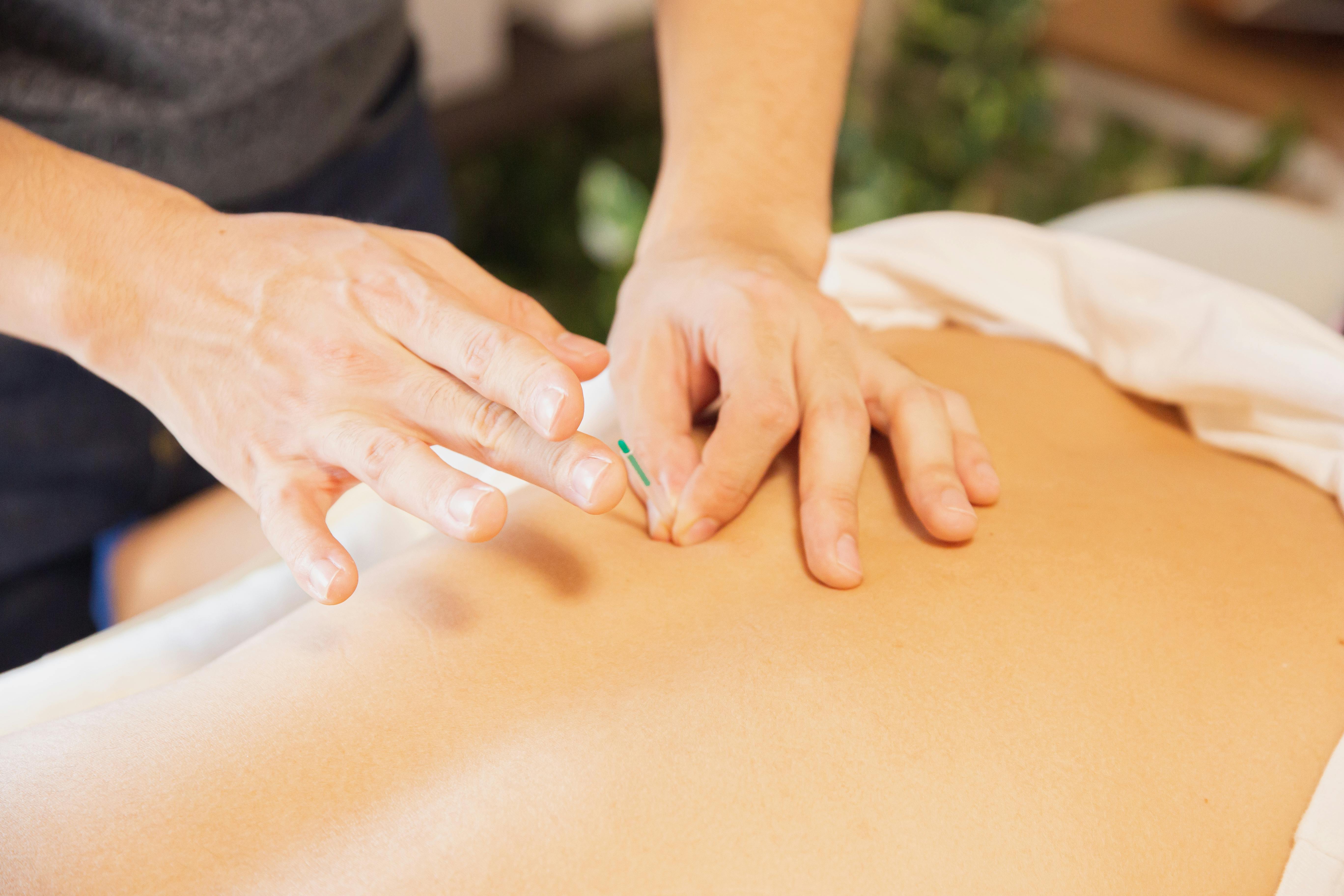
Many first-time patients are surprised by how relaxing a treatment can be. The needles are incredibly thin, and it’s common to feel so calm that you drift into a peaceful nap. It’s often called an “acupuncture nap”—and for many people, it’s one of the best naps they’ve had in years.
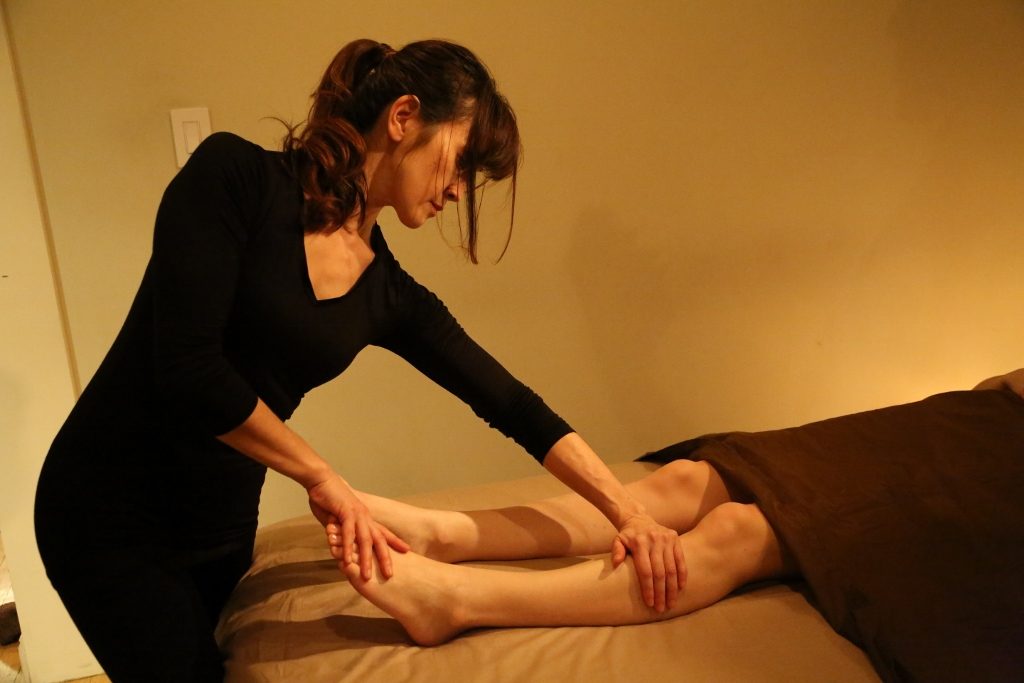
Many first-time clients expect Shiatsu to be painful. Then something interesting happens. A therapist finds a tight spot you didn’t even know existed. “Wow,” you think. “How did they find that?” Five minutes later, you realize your shoulders have dropped two inches and you’re breathing more deeply than you have all week. By the end of the session, some people feel so relaxed that they briefly forget where they parked their car. This is completely normal. Probably.
Think of your body like an orchestra. When every instrument is in tune, the music flows beautifully. But if one section falls out of rhythm, the entire performance changes. Acupuncture works like a skilled conductor, helping restore balance rather than overpowering the music.
The funny thing about our bodies is that they constantly communicate with us. A stiff neck? That’s an email. Lower back pain? Another email. Headaches after staring at a computer for eight hours? That’s your body sending an urgent message marked high priority Unfortunately, most of us respond by taking pain relievers, drinking another coffee, and hoping the problem disappears. Shiatsu encourages us to actually read those messages.
Why Acupuncture isn’t about magic? Have you ever noticed that your body whispers before it screams? A stiff neck after stressful meetings. Trouble sleeping before an important event. A stomach that feels “off” when life gets overwhelming. These aren’t random problems—they’re your body’s way of asking for attention. Acupuncture is unique because it doesn’t simply ask, “Where does it hurt?” It also asks, “Why is your body sending this message?”
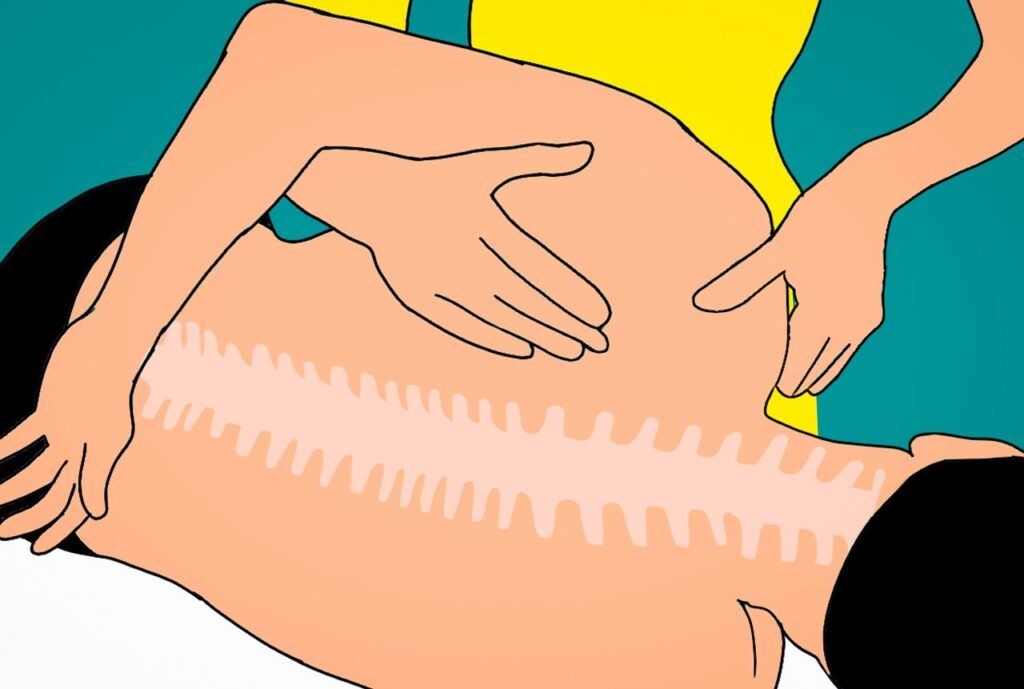
“Shiatsu” literally means “finger pressure” in Japanese. Now, before you imagine someone randomly poking you like they’re trying to find a hidden button, Shiatsu is actually a sophisticated therapeutic technique developed in Japan. Practitioners use their fingers, palms, elbows, and sometimes even knees to apply pressure to specific points on the body. Think of it as a conversation between the therapist and your muscles.
After a session, people often say things like: “I feel lighter”, “My shoulders finally relaxed”, “My pain is gone”, “I slept like a baby”. Which is amazing… considering all that happened was a little strategic poking. Acupuncture may be thousands of years old, but in today’s stressed-out, screen-obsessed world, it might be more useful than ever. So if your body feels like a tangled mess of stress, tension, and bad posture, maybe it’s time to try a different solution. Sometimes the best way to fix the problem is a few well-placed needles.
Have you ever wished your body came with a reset button? You know the feeling. Your neck is tighter than a jar lid that refuses to open. Your shoulders are carrying the weight of your job, your family, and probably three months of unanswered emails. Your back makes mysterious sounds every time you stand up. Good news: while humans don’t come with a reset button, Japan came pretty close. It’s called Shiatsu Massage.